Guides
Escape room locations worth comparing: a working shortlist, explained properly
Real escape room venues and city districts worth comparing, with what each location is and the practical trade each one carries for groups and team outings.
What to take away
- A shortlist of real venues beats a list of location categories, because you can walk each one and count its foot traffic.
- At US chain venues, a 60-minute game typically runs $30 to $45 per player, and most rooms take 2 to 8 players.
- Four named districts carry most of the US escape room stockChelsea and Midtown South in New York, the Las Vegas Strip, Orlando's International Drive, and Chicago's River North.
- Mall and lifestyle-center space comes with a landlord who controls your hours, your signage and your build-out.
- Historic buildings and warehouse conversions trade character for egress work, and NFPA 101 plus the local fire marshal set what that work is.
- Chain operators such as The Escape Game and Breakout Games show a repeatable room spec. Independents such as Escape Room NYC and The Basement show how a small or awkward shell gets used.
- Every site decision is a lease decision first. Run the numbers at best markets for an escape room business before you tour.
This article is general business information. It is not fire, egress, occupancy, accessibility, or legal advice. Confirm requirements with your local fire marshal, a licensed architect or engineer, and a qualified attorney.
How to build a shortlist you can walk
A shortlist names places you can visit this week. Categories such as "downtown" and "tourist district" cannot be walked, priced or compared.
The venues below are real and operating. Most rooms take 2 to 8 players.
Named venues and the trade each one shows
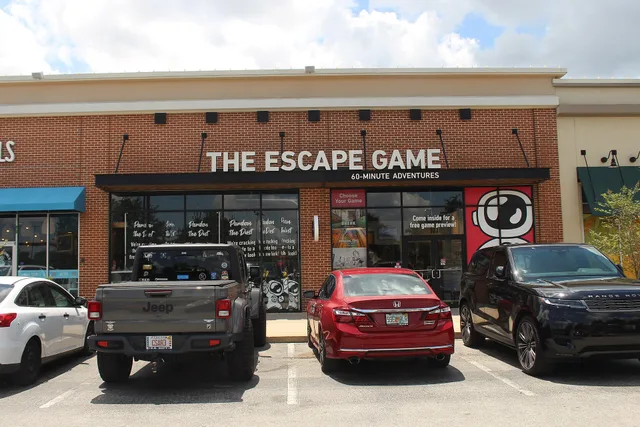
The Escape Game, multiple US cities. The trade is chain standardization. A trained game master runs each 60-minute room from a repeatable build spec, and the same shift pattern repeats across cities.
Escape Room NYC, Manhattan. The trade is queue control in a small footprint. A long-running independent in Chelsea with several rooms, high rent and walk-in traffic. Watch how it moves a crowd with no lobby to spare.
Mission Escape Games, Manhattan. The trade is weekday corporate demand. An independent in the Midtown office district where corporate bookings carry the calendar and weekends go quiet. Compare its ticket price with a Chelsea venue before you pick a district.
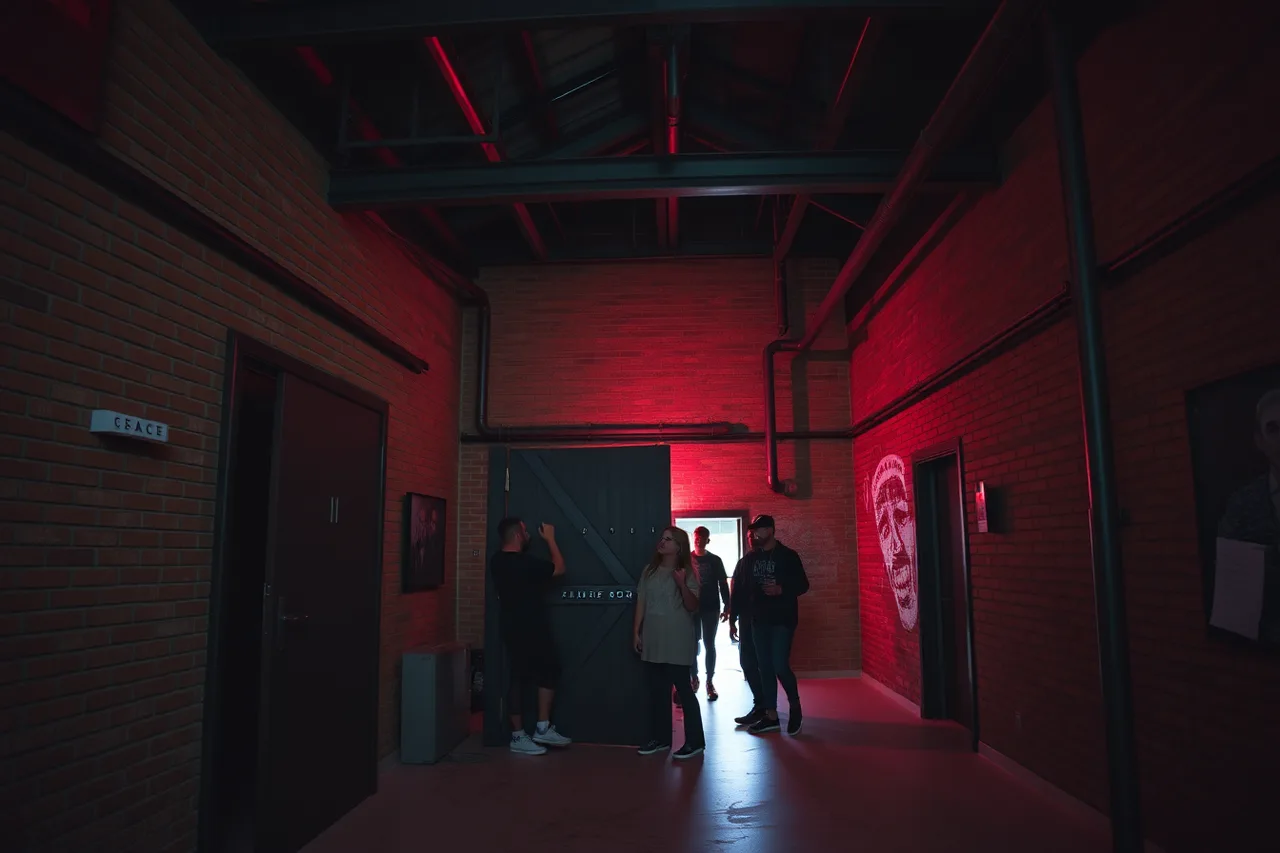
The Basement, Los Angeles. The trade is the warehouse shell. A horror-focused venue in a converted industrial building in the Arts District. High ceilings, wide egress paths, and a landlord who does not care what you build inside.
Escape the Room, Chicago. The trade is evening traffic tied to dinner. A River North location in the restaurant and bar district. Peaks follow dinner reservations, which changes staffing more than the room design does.
Escape Hunt, Houston. The trade is the franchise model. A suburban retail center site, useful if you are weighing a franchise fee against building your own brand. Franchise agreements in this category typically carry a five-figure upfront fee plus ongoing royalties.
PanIQ Escape Room, multiple US and European cities. The trade is the compact format. A franchise with rooms that fit under 3,000 square feet. Tour it if your candidate site is small.
Breakout Games, Southeastern US. The trade is unpaid waiting space. A regional chain in malls and strip centers that uses mall common area for its queue, and you do not pay rent on that.
Red Door Escape Room, Texas and Colorado. The trade is the large-format build. Elaborate sets and a higher build cost per room. Compare its fit-out against a compact independent before you pick a shell size.
Escapology, US and international. The trade is the turnkey brand. Standard 60-minute rooms with a booking system and a fit-out spec on day one, in Florida, Texas and abroad.
Fit-out cost tracks format more than city. As a typical range, a compact independent runs $75 to $150 per square foot for a basic build with simple set pieces. A large-format venue like Red Door can run $200 to $350 per square foot, mostly in set fabrication and show control. Those are planning ranges, not quotes.
The districts, and what each one costs you
Typical asking rent per sq ft per year
- Chelsea, Manhattan
- $150 to $300
- Midtown South, Manhattan
- $80 to $150
- Las Vegas Strip (off-strip blocks)
- $40 to $80
- International Drive, Orlando
- $25 to $45
- River North, Chicago
- $30 to $50
- Lower Broadway, Nashville
- $40 to $80
- Arts District, Los Angeles
- $24 to $40
Typical usable sq ft
- Chelsea, Manhattan
- 1,500 to 4,000
- Midtown South, Manhattan
- 2,000 to 5,000
- Las Vegas Strip (off-strip blocks)
- 3,000 to 8,000
- International Drive, Orlando
- 3,000 to 8,000
- River North, Chicago
- 2,000 to 5,000
- Lower Broadway, Nashville
- 2,000 to 6,000
- Arts District, Los Angeles
- 3,000 to 10,000
What it gives you
- Chelsea, Manhattan
- Walk-in tourists, transit, dense hotels
- Midtown South, Manhattan
- Office lunch traffic, corporate bookings
- Las Vegas Strip (off-strip blocks)
- Tourist volume, late hours
- International Drive, Orlando
- Family traffic, parking, hotels
- River North, Chicago
- Dinner-and-a-game pairs
- Lower Broadway, Nashville
- Walk-up tourist crowds, bars and live music next door
- Arts District, Los Angeles
- Cheap shell space, character
What it takes
- Chelsea, Manhattan
- Rent per square foot that forces high ticket prices
- Midtown South, Manhattan
- Weekday-only demand, dead weekends
- Las Vegas Strip (off-strip blocks)
- Concession fees, seasonal swings, staff churn
- International Drive, Orlando
- Competition from every attraction on the road
- River North, Chicago
- Evening-only peaks, winter slowdowns
- Lower Broadway, Nashville
- Street noise, late nights, premium rent on the strip
- Arts District, Los Angeles
- Egress and accessibility work in an old building
Rent is the number that decides most of these. Get the landlord's asking rate per square foot, your usable square feet after build-out, and your expected games per week. Multiply games by your ticket price, subtract rent, labor and insurance, and you have a monthly figure.
Here is one worked example. A 3,000 square foot site at a typical $30 per square foot per year carries rent of $7,500 a month.
Run 40 games a week, four players a game, at $35 a player. That is $5,600 a week, or about $24,300 a month. Two part-time game masters at $15 an hour for 60 combined hours a week cost about $3,900 a month. Insurance runs about $1,200 a month.
Subtract rent, labor and insurance and the site clears roughly $11,700 a month before other costs.
Three checks that apply to every site
Accessibility comes first because it is a legal duty, not a preference. The ADA Guide for Small Businesses covers barrier removal, accessible routes and what is readily achievable in an existing facility. Read it before you sign, because retrofitting a historic building later costs more than choosing a different one.
Site checks before you sign
- AccessibilityADA barrier removal, accessible routes, readily achievable
- Emergency planningevacuation, accountability, rescue duties, training
- Financingstartup costs, permits, insurance, SBA loans, SCORE
Emergency planning is the second check. OSHA's emergency preparedness guidance lays out evacuation, accountability, rescue duties, contacts and training. A room that locks players in needs a plan the fire marshal will accept.
Financing is the third. The SBA Business Guide walks through planning, startup costs, permits, insurance and finance. SBA 7(a) loans top out at $5 million, with terms that commonly run 10 to 25 years. Free counseling through SCORE or a Small Business Development Center is how most first-time operators fund a build-out.
Common questions
Why name specific venues instead of location types?
A named venue can be visited, measured and priced. A category cannot. You can walk Escape Room NYC in an afternoon and see how a small Manhattan footprint handles a queue, which tells you more than any list of district adjectives.
What does a game cost per player?
In most US markets, chain venues charge $30 to $45 per player for a 60-minute game. Private bookings and peak weekend slots sit at the top of that range. Manhattan and Las Vegas Strip locations typically run higher, because rent per square foot is higher.
Does a mall location beat a street location?
It depends on who controls your hours. Mall space brings foot traffic and shared parking, but the landlord sets your operating hours, your signage and often your build-out. A street location costs more per square foot and gives you control. Compare the two on total monthly cost, not rent alone.
What kills a site after the lease is signed?
Egress and accessibility work that was not priced before signing. A historic building or an old warehouse can carry character and cheap rent, and both can require a second exit, a wider path or a ramp that the landlord will not fund. Have a licensed architect or engineer walk the shell before you commit.