Guides
What a new escape room business owner needs to buy: the equipment list
A new escape room needs locks, puzzle mechanisms, cameras, controllers and props, chosen against safety and throughput, not a generic asset list.
What to take away
- What a new escape room business owner needs to buy is an equipment list that splits three ways: what the game needs to run, what safety requires, and what the customer touches.
- Locks, puzzle mechanisms, props, cameras and controllers are the core purchase. Everything else supports them.
- Buy one game's worth first, run it for a month, then commit to the second room.
- Every electrical and egress decision goes to the fire marshal and a licensed architect or engineer, not to a supplier's sales sheet.
- Keep a spare of anything a game cannot finish without.
Anyone opening a venue searches for an escape room equipment checklist and finds generic asset-management advice. The real list is narrower: hardware that makes a room solvable, hardware that keeps players safe, and hardware that lets staff watch both. Prices below are typical US street prices as of 2026, not quotes.
The five parts of the purchase
A new escape room business buys five things: door and lock hardware, props, the control system that sequences them, monitoring and reset gear, and safety equipment. Price each line before you order. Prices here are typical 2026 figures for a 2027 opening, so confirm quotes before you commit.
Buy the control system before the props. A prop your controller cannot trigger becomes a manual reset.
The seven steps every purchase has to serve
An escape room sells a 60 minute experience, but the equipment has to survive the whole visit. That visit has seven steps:
Seven steps every purchase has to serve
- waiver
- safety brief
- game start
- hints
- emergency stop
- reset
- photo
Write those seven on a sheet before you buy anything. Every item on your list should attach to one of them. A prop that serves none of the seven is decoration, and decoration is the last thing you fund.
The equipment a game cannot run without
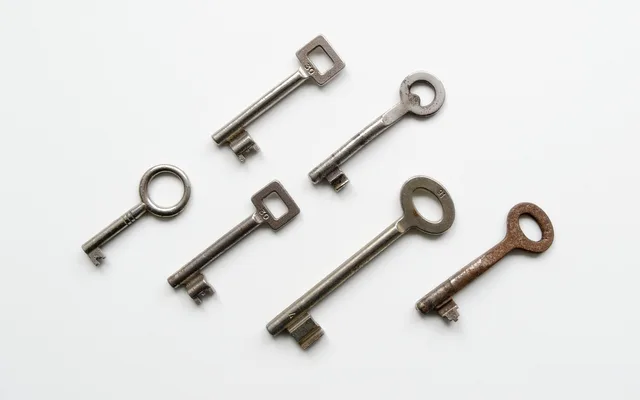
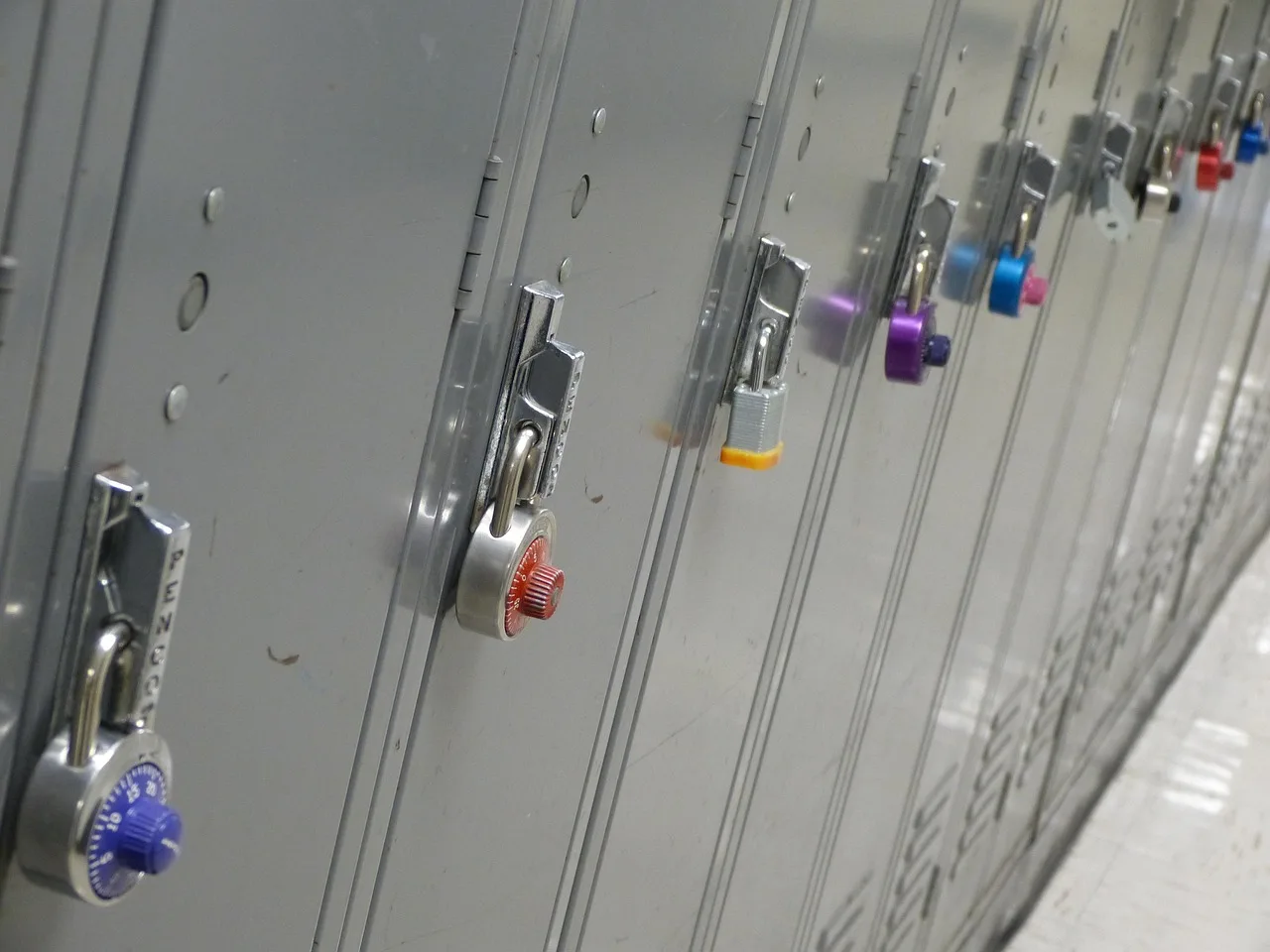
Locks and release mechanisms. Combination padlocks, directional locks, word locks and key locks are the visible layer. A Master Lock 175D combination padlock sells for about $20 and can be reset between teams. A keyed Master Lock 140D runs about $10, and an ABUS 165/40 combination padlock about $20.
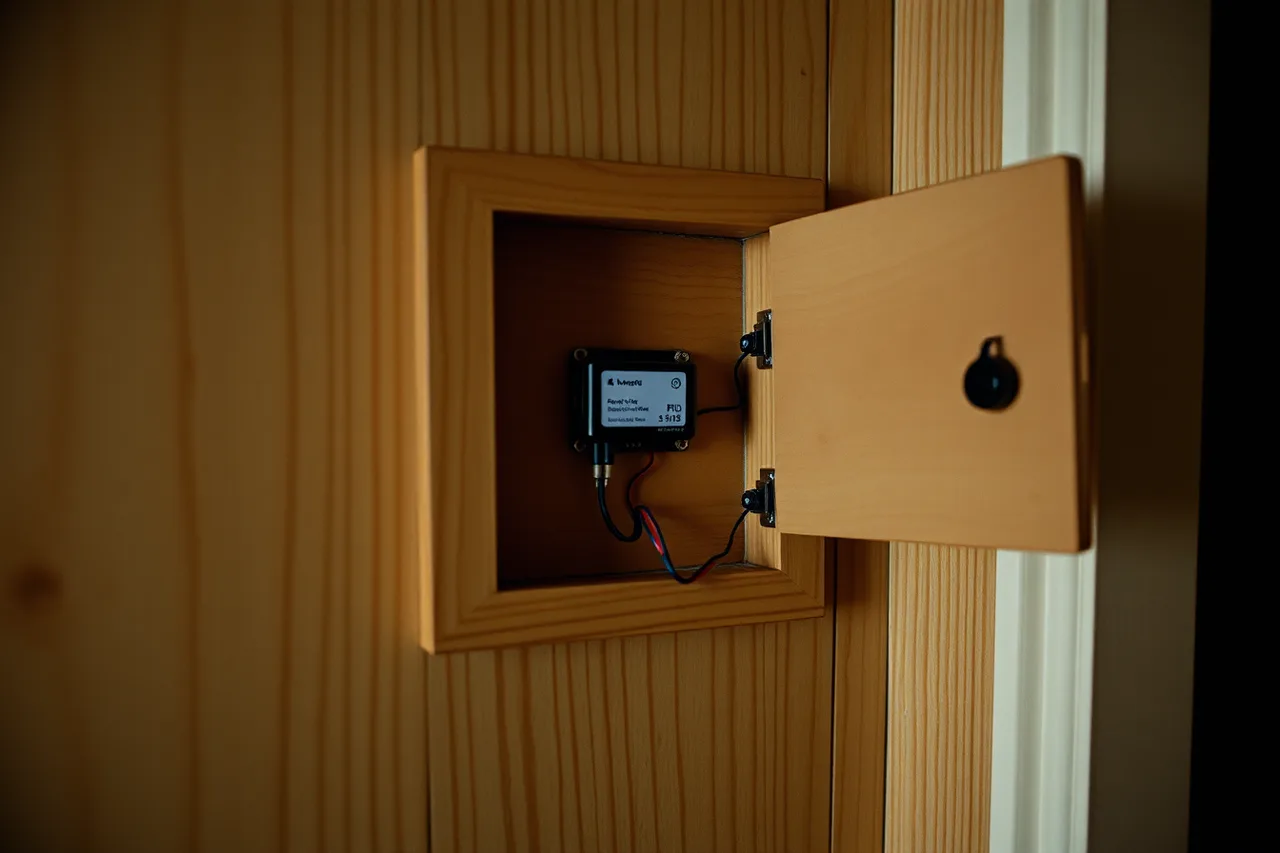
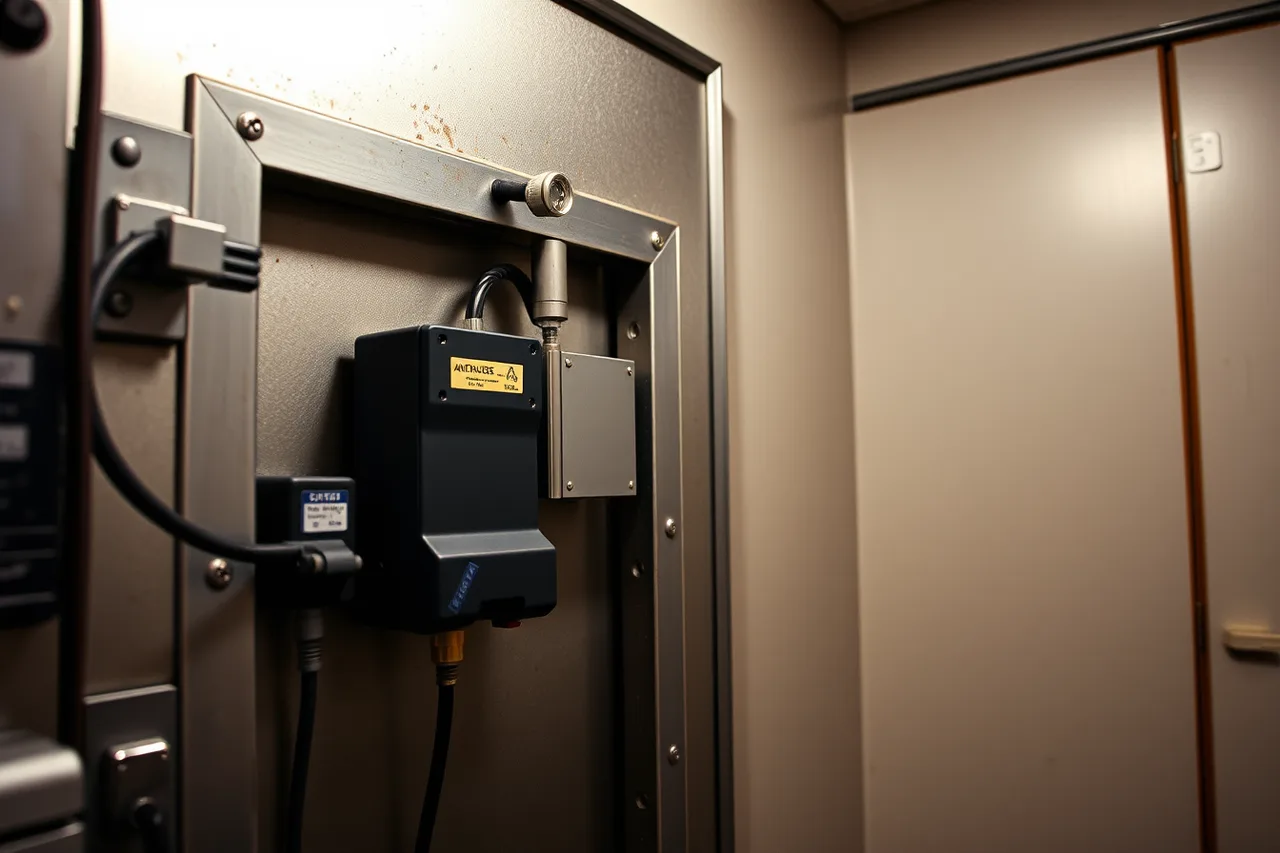
Behind them sit electromagnetic locks and electric strikes, which hold a door until a controller releases it. A Seco-Larm E-941SA-600 magnetic lock typically costs $50 to $70. A HES 9600 electric strike starts near $120.
Magnetic locks are the piece that most often collides with egress rules, so the release design belongs to a licensed professional and your local fire marshal. A magnetic lock needs a fail-safe release tied to the fire alarm, and the fire marshal sets the release method, not the supplier.
Puzzle mechanisms. Magnet reed switches, RFID readers, pressure plates and weight sensors are how a room knows a puzzle was solved. Photo sensors and rotary encoders do the same for beams and dials. A glass reed switch costs $1 to $3 and fails quietly behind a hidden panel, so buy spares.
An Adafruit PN532 NFC/RFID breakout runs about $40; a SparkFun Qwiic RFID reader about $35. FrightProps sells pressure mats and trigger switches for haunted attractions, typically $30 to $150.
Props and set pieces. Furniture, false walls, safes and hinged bookshelves carry the story. Themed dressing finishes it. Props take the most wear and are the cheapest to replace, so treat them as consumables rather than assets.
Flat-pack shelving from IKEA, a small KALLAX unit at roughly $80 to $180, becomes a hinged bookcase with a hidden hinge. Lumber and paint from Home Depot or Lowe's cover false walls.
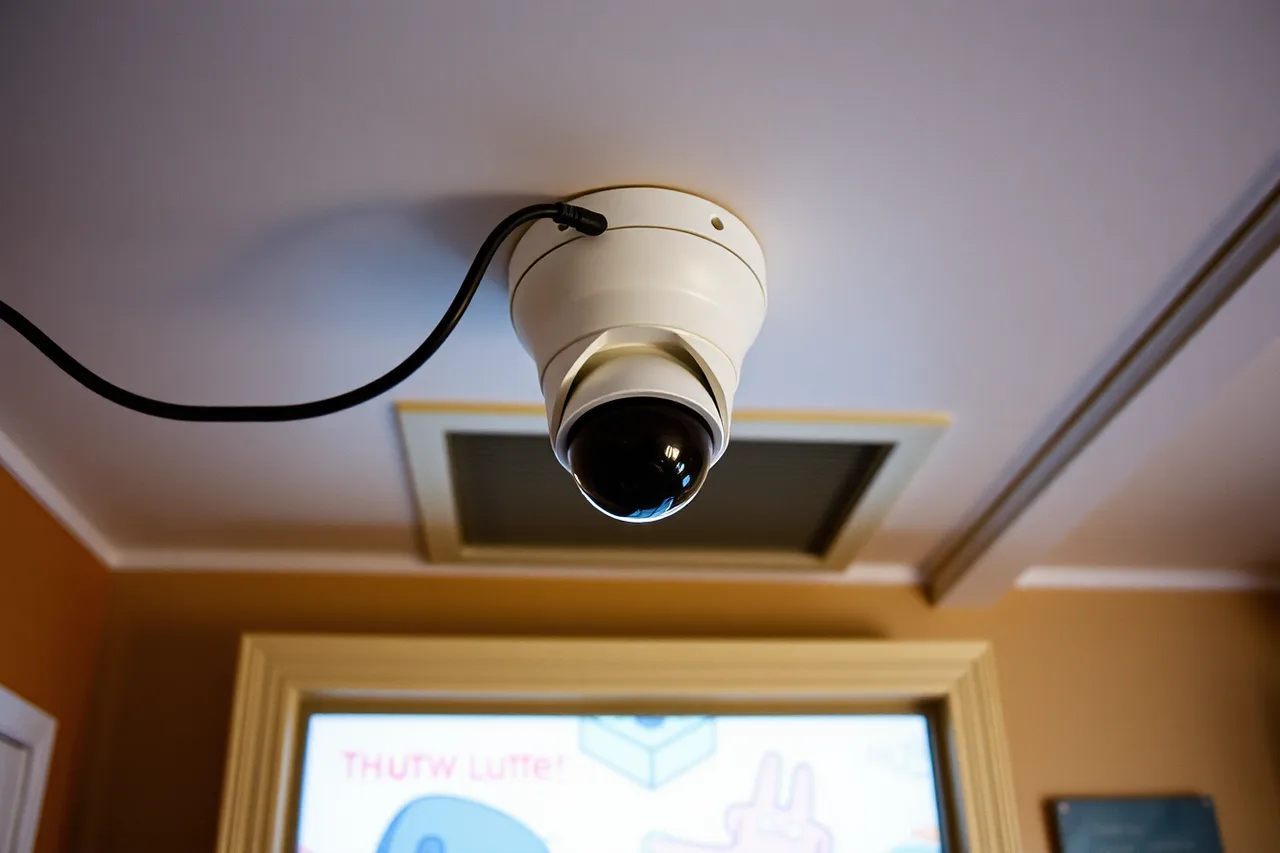
Cameras. One camera per puzzle station plus one on each door, with infrared for dark rooms. Coverage matters more than resolution: a game master who cannot see a stuck player will walk in and break the illusion.
A Reolink RLC-810A PoE camera runs $70 to $100, and a Hikvision DS-2CD2143G2-I around $150. Reolink's NVR or Blue Iris software, $69.99 one-time, records the feed.
Controllers and show control. A programmable logic controller or a purpose-built escape room controller board runs the sequence. It is the single point of failure for the whole room, so buy one spare and keep the program backed up off-site.
An AutomationDirect Click PLC starts near $80. A Numato Labs USB relay board costs $30 to $60 for a single prop. Purpose-built escape room boards typically run $200 to $600 and reset faster between teams.
Decide the control platform before you buy props. A prop with its own standalone electronics cannot be sequenced or reset from the desk, and that turns into a manual reset every game.
Audio and lighting. Speakers, amplifiers, DMX or addressable LED fixtures and a cue player. Lighting does the hinting as much as the game master does. Chauvet DJ SlimPAR 64 fixtures run $100 to $130 each, and Enttec's DMX USB Pro interface sells for about $175 and runs with QLC+, which is free.
Communication. A two-way radio or intercom between game master and room, plus a hint screen or speaker inside it. Motorola Talkabout radios cost about $60 a pair.
Price the whole list before you sign a lease. The budget line that surprises owners is the controller, the cameras and the electrical work that connects them.
The equipment that is really safety equipment
Emergency lighting, illuminated exit signage, a door release that works when the power does not, and a first aid kit are not optional extras. NFPA 101 governs means of egress, and the local fire marshal has the final say on your specific room. No supplier can certify that for you.
Lithonia's ELM2L emergency light typically costs $50 to $80. A fail-safe magnetic lock releases when power is cut, and it has to be tied to the fire alarm.
OSHA's emergency preparedness guidance sets out what an emergency action plan covers: reporting, evacuation, accountability and rescue duties. Contacts and plan review round it out. The same page's companion material on safety management describes finding and fixing hazards before an inspection does it for you.
Accessibility is a purchase decision too, not a retrofit. The Justice Department's ADA guide for small businesses covers barrier removal, accessible routes and what is readily achievable in an existing facility. Aisle width and door hardware get decided when you buy the set, not after.
How to split the budget
Props and set dressing wear fastest, so treat them as consumables. The split between props and the room build follows two things: the number of puzzle stations, and whether you build set pieces or buy them.
Door and release hardware, the controller and the electrical work decide whether the room opens at all. Fund those lines first, then dress the room.
Used equipment is worth buying when the wear parts are replaceable. Used locks, hinges and furniture, yes. Buy a used controller only when the program, the wiring diagrams and the spare parts come with it.
A worked example: the first room
Say your first room has six puzzle stations and one exit. The buy list that follows is a starting shape, not a quote.
| Category | What to buy | Spare to hold |
|---|---|---|
| Locks | 4 Master Lock 175D combination padlocks, 2 directional locks, 1 Seco-Larm E-941SA-600 electromagnetic lock on controller release | 2 padlocks |
| Sensors | 6 reed switches, 2 Adafruit PN532 RFID readers, 1 pressure plate | 2 reed switches |
| Cameras | 7 Reolink RLC-810A infrared cameras, recorder, monitor | 1 camera |
| Control | 1 controller board (AutomationDirect Click PLC or purpose-built), backup program copy | 1 board |
| Audio and light | 4 speakers, 1 Pyle PTA62BT amplifier, 6 Chauvet DJ SlimPAR 64 fixtures, Enttec DMX USB Pro interface for the cue player | 1 fixture |
| Safety | Emergency lights, exit signage, fail-safe release, first aid kit | none |
Prices quoted above are typical US street prices as of 2026. Locks and sensors together rarely top $700, while cameras, the controller and the electrician take the largest share of the budget.
How to sequence the purchase
- Design the game on paper first. Every puzzle you cannot describe in one sentence will cost you twice.
- Buy one complete room. Run it for a month and watch which props break and which puzzles stall.
- Add the second room only after the first holds its schedule.
- Keep a spare of anything a game cannot finish withoutlocks, reed switches, one camera, one controller.
The escape room equipment and setup guide walks through how these pieces fit a build-out schedule.
Common questions
Do I need a purpose-built escape room controller?
Not always. A programmable logic controller works and costs less, but it needs someone who can program it and maintain the program. Purpose-built boards are easier for staff to reset between games. They typically cost $200 to $600.
How many cameras does one room need?
One per puzzle station plus one on each door is a workable rule. The test is whether a game master can see every player without entering the room. Budget $70 to $150 per camera.
Can I build the room myself?
Set pieces and props, often yes. Anything touching egress, electrical work or lock release belongs to a licensed architect, engineer or electrician, and the fire marshal signs off on the result.
What should I buy before the lease is signed?
Nothing electrical. Confirm occupancy limits, egress paths and accessibility requirements for the specific space first, because those decide what will fit. Padlocks, props and a first aid kit can wait until the floor plan is settled.
What does the whole equipment list cost?
For a six-station room, typical US hardware spend runs $4,000 to $9,000 as of 2026, before electrical labor. Cameras, controllers and licensed electrical work are the largest lines.