Guides
Game master pay bands for an escape room business in 2027
Pay bands for game masters by metro size and shift in 2027, plus paid minutes per booking, reset benchmarks, job ad rules and scheduling notes.
What to take away
- Pay a game master for the whole cyclebrief, monitor, hint, reset, photo. Budget 80 to 90 paid minutes per booked room, not 60.
- Typical 2027 planning bands$13 to $17 an hour for a weekday host, $15 to $20 for a Saturday close, $18 to $24 for a lead who repairs props. Test each against local postings.
- Labor should sit near 20 to 25 percent of ticket revenue per room. Past 30 percent, either the rate or the reset time is wrong.
- Several states require a pay range in the posting. Confirm your own state rule before you write the ad.
- Review the rate when you add a room, change hours, or watch overtime climb for two months running.
Pay bands by metro, room count and shift
| Metro | Rooms | Weekday host | Saturday close | Lead or technician |
|---|---|---|---|---|
| Under 250,000 people | 2 to 3 | $12 to $15 | $14 to $18 | $17 to $21 |
| 250,000 to 1 million | 3 to 5 | $13 to $17 | $15 to $20 | $18 to $24 |
| Over 1 million | 5 or more | $15 to $19 | $18 to $24 | $21 to $28 |
Those are typical planning bands for 2027, not measurements. Your metro will pull them up or down.
Three local inputs set the real number. Nearby venues and what they post. What your own applicants ask on the first call. Your state labor market information office, which reports wages for Amusement and Recreation Attendants, SOC 39-3091.
The federal Bureau of Labor Statistics publishes no game master code. Amusement and Recreation Attendants is the nearest series, and it reads low for escape rooms because it covers lower-skill work. Treat it as a floor, not a target.
The labor cost of one booked room
A 60-minute game is not 60 paid minutes. Add briefing and check-in, reset, and the photo and follow-up.
Example: one 60-minute room at $15 an hour
- Briefing and check-in10 minutes.
- Game in progress and monitoring60 minutes.
- Reset15 minutes.
- Photo and follow-up5 minutes.
- Total90 minutes, or 1.5 hours. At $15 that is $22.50 per booking.
Four players at $30 give $120 in revenue. Labor takes 18.75 percent. Run the same booking into overtime at $22.50 an hour and it costs $33.75, or 28 percent.
Shift steps with labor cost
- Inquiry and bookinglabor cost
- Waiver and termslabor cost
- Arrival and check-inlabor cost
- Safety brieflabor cost
- Game startlabor cost
- Monitoring and hintslabor cost
- Emergency stoplabor cost
- Completion and resetlabor cost
If the reset drifts to 25 minutes, the booking runs 100 minutes and $25.00. Small drift, real money. The escape room pricing and profit guide shows how to test that share against ticket price before you raise the rate.
Reset time benchmarks and what they cost
| Room type | Typical reset | Paid minutes added |
|---|---|---|
| Lock and key, no electronics | 10 to 12 | 10 |
| One mechanical prop | 15 to 20 | 15 |
| Multi-room or heavy electronics | 25 to 35 | 25 |
Each extra five minutes costs $1.25 at $15 an hour. At 40 bookings a week that is $50, or about $2,600 a year.
A reset that runs five minutes long on every booking costs more per year than a one-dollar raise for a part-time host.
Benchmarks come from timing your own rooms over two weeks, not from a vendor estimate. Cut the reset with a photographed prop layout and a written step order. The daily operations SOP checklist gives you the sequence to post inside the control room.
What the federal rules require
The FTC advertising guide for small business covers the ad itself. Every claim in it, including the pay range and the schedule, must be truthful and supported.
The DOL small business compliance assistance covers wages, overtime, timekeeping and records once you hire. Game masters are almost always non-exempt, so hours past 40 in a workweek are paid at time and a half.
The EEOC small business resource centre covers nondiscrimination, accommodations, employment records and workplace notices.
A job ad you can post
Game Master, part time. $15 to $20 an hour, set by shift. Weekday afternoons and Saturday evenings to close, 12 to 28 hours a week. You run 60-minute games: greet the team, brief them, watch on camera, send hints, reset the room, take the photo. You must stand for four hours, lift 25 pounds and use stairs in low light. No escape room experience needed. Paid training is provided.
California, Colorado, New York and Washington require a pay range in postings. Confirm your own state rule. For the funnel behind the ad, see how to hire reliable staff for an escape room business.
Scheduling around the Saturday close
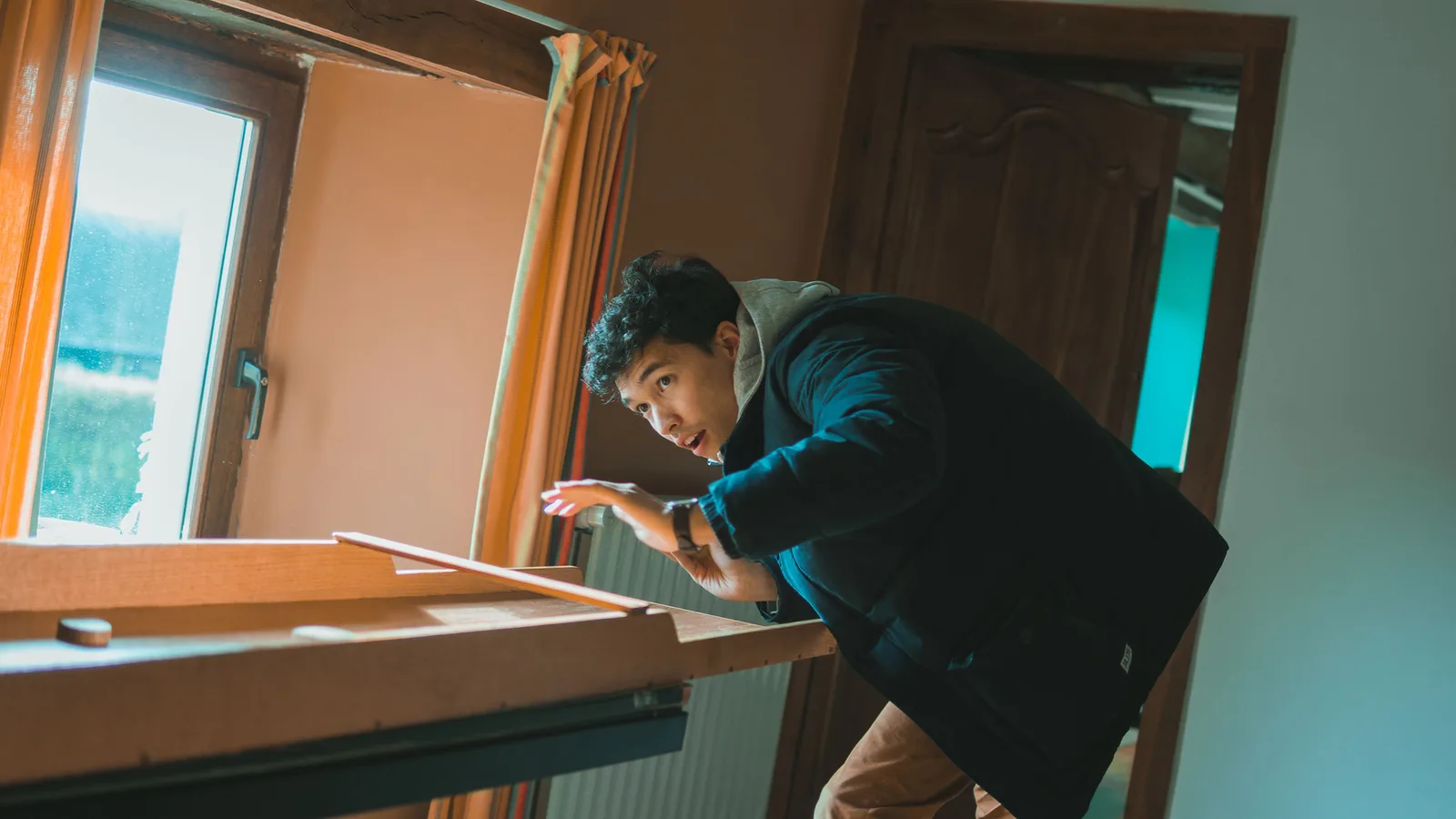
Demand is not flat. Friday evening, Saturday and holiday weeks carry the rooms. A Tuesday at 2pm rarely does.
[figure 3]
Pay travel, setup, breaks and fatigue as scheduled time. A host who closes at 11pm and opens at 10am is a call-off waiting to happen, and it lands on your best night.
- Block 30 minutes before the first booking for setup.
- Hold a 15-minute paid reset buffer between rooms.
- Rotate the close so nobody works three Saturdays in a row.
- Run paid training midweek, never on Saturday.
Overtime in peak weeks should be planned and costed, not discovered on the payroll run. The 2027 hiring and training guide walks through pairing, shadow shifts and the first-quarter review.