Guides
Escape room game master scripts: what to say and when
An escape room game master script covers the safety briefing, clock start, hints and reset. Here is the spoken sequence, with failure points and fixes.
What to take away
- A game master script has four spoken partsthe pre-game safety briefing, the room entry, hint delivery, and the debrief after the clock stops.
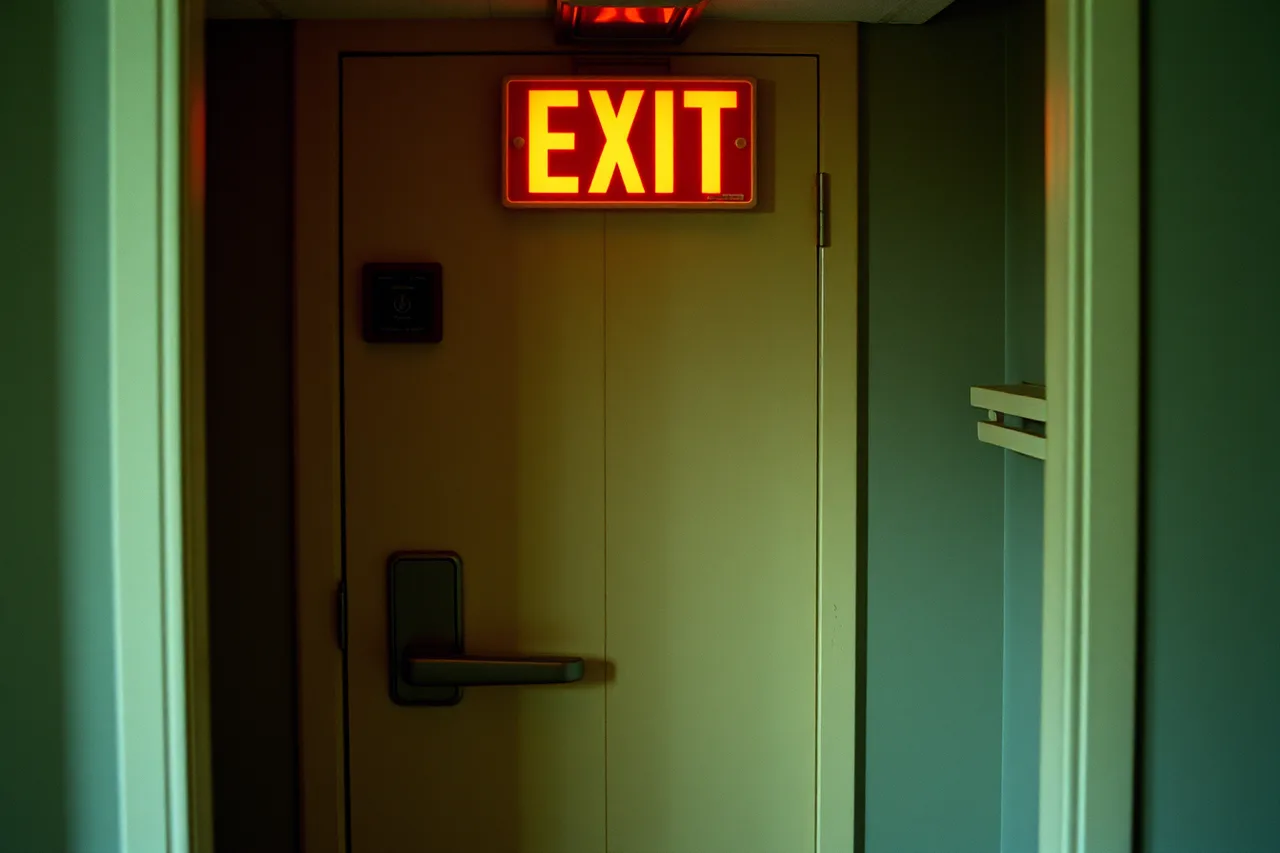
- The safety briefing must name the exit and the release mechanism out loud, because ADA Title III treats your venue as a public accommodation — 28 CFR Part 36, with the 2010 ADA Standards for Accessible Design as the technical baseline — and the exit is the part a player remembers under pressure.
- Hints land best on a fixed cadence, not on your gutone at the halfway mark, one when ten minutes remain. Write that cadence into the script so every game master sends them at the same times.
- A script earns its keep by cutting resets and bad reviews, not by sounding clever. Write it once, rehearse it, then let staff adapt the wording.
What you need before you write a single line
You need three things settled first. The physical exit route and its release method, confirmed against your local fire code and OSHA exit route rules (OSHA 1910.36). The room's hint triggers, meaning which puzzles stall most often and at what timestamp. And the reset checklist, so the script and the cleanup match (reset an escape room between games).
Write the briefing in the second person. Say "you" and "your team", not "players" and "participants". American players hear instructions as commands, so keep the safety lines short and imperative.
The sequence
Run the script in this order every game. The order matters more than the wording.
Game Master Script Sequence
- Greet at door, confirm booking and party size
- Safety briefing standing, exit in sight, repeat phrase
- Cover four rulesclimbing, forcing, phones, hints
- Walk team in, start clock on your signal
- Send hints at halfway and ten minutes remaining
- Stop clock, open door, run debrief
- Greet at the door and confirm the booking name and party size. This catches walk-in confusion before it becomes a refund.
- Deliver the safety briefing standing up, with the exit in sight. Point at the door. Say the release phrase out loud, then have one player repeat it back.
- Cover the rules in four linesno climbing on furniture, no forcing locks, no phones inside, and how to call for a hint.
- Walk the team into the room and start the clock on your signal, not theirs. Say the start time out loud.
- Send the first hint at the halfway mark unless they have already asked. Send the second at ten minutes remaining.
- Stop the clock, open the door, and run the debrief. Ask what puzzle they liked least. That answer is your next edit.
The greeting, word for word
Say this at the door, before anything else:
“Hi, you must be the [party name] party — six players. I'm [your name], I'll be your game master. Before we go in, I need two minutes of the important stuff, and then the room is yours.”
Confirm the booking name and the party size out loud. If the count is wrong, fix it before the clock stars, not after.
The safety briefing, word for word
Stand with the exit in sight and point at the door as you deliver each line:
“This is the only exit. The door opens from the inside — push the bar and it opens, even mid-game.” “If you want me to stop the clock and let you out, say the release phrase out loud: ‘we're done.’ One of you repeat it back to me now.” “Three house rules: no climbing on furniture, no forcing a lock or a handle, and no phones inside the room.” “Need a hint? Wave at the camera in the corner and I'll send one to the screen. Two hints are included, and I may send one you did not ask for.”
Wait for one player to say the release phrase back before you move on. If nobody repeats it, say it again. That repeat-back is the whole sensory test, and it takes ten seconds.
Room entry and clock start, word for word
Walk the team in, close the door, and say:
“You're in. The clock starts on my count, not yours. Three, two, one — go.”
Then say the start time out loud as the clock rolls. The team should hear the time from you, not read it off the screen.
Hint wording for two common puzzles
Hold two lines per puzzle on the card at the console: the logic hint first, the location hint as backup. For a map-and-dial lock:
Logic: “Count the symbols on the map, then set the dial to that count. The map is the key, the dial is the lock.” Location: “Have one player look under the desk — the map is taped there.”
For a search-and-key puzzle:
Logic: “Everything you need for this lock is already in the room. If you are holding something you have not used yet, start there.” Location: “Check the pocket of the coat on the hook.”
Read the hint out loud in your own voice. Do not paraphrase it on the fly; that is how hint drift starts.
The debrief, word for word
Open the door, stop the clock, and say:
“Time's up — the door is open, come on out. Strong run.”
Then ask these four questions and write the answers down:
“What puzzle did you like least?” “Which puzzle made you feel cleverest?” “Where did you lose the most time — the puzzle or the hint?” “Would you bring a friend to this room? Why or why not?”
The least-liked puzzle is your next edit. The rest is your review copy.
Where judgement replaces the recipe
The cadence is a floor, not a ceiling. A team that has solved nothing at the halfway mark needs a nudge earlier, and a team that is one lock from finishing needs silence. Read the room audio and the camera feed before you decide.
Hint wording is the other judgement call. A location hint ("look under the desk") is weaker than a logic hint ("the symbols on the map match the dial"). Give the logic hint first. Save the location hint for teams that are frustrated rather than stuck.
How to tell it is right
The measurable test is hint-to-reset ratio. Log every hint you send and every reset you perform for 20 games. If hints are climbing while completion rates hold steady, your puzzles are unclear, not your players. If resets cluster on one prop, the script is fine and the prop is not.
Is Your Script Working?
- Log every hint and reset for 20 games
- Hints climbing, completion steadypuzzles unclear
- Resets cluster on one propfix the prop
- Player cannot repeat exit phrasefix phrasing
The sensory test is the repeat-back. If a player cannot repeat your exit phrase when you ask, the briefing failed regardless of what you said. Fix the phrasing, not the volume.
Fixing it when it is not
The common failure is the rushed briefing on a back-to-back turnaround. The named recovery is the two-minute hold: you stop the clock before it starts, walk the team back to the lobby, and run the briefing again from step two. Losing two minutes beats losing a liability claim.
The second failure is hint drift, where each game master invents their own wording. The recovery is a printed card at the console with the approved hint for each puzzle and its timestamp. Rehearse it with new hires using the staff training checklist before they run a live room alone.