Guides
Escape room and family entertainment center operations: safety overview
Escape room and family entertainment center operations span ASTM ride standards, OSHA workplace rules and IAAPA operating guidance.
What to take away
- Escape room and family entertainment center operations sit under three overlapping safety frameworks: ASTM F2291 for rides and devices, IAAPA guidance for FEC operators, and OSHA rules for employees.
- ASTM F2291 governs design, testing, operation and maintenance of amusement rides and devices, and it reaches climbing structures, go karts and simulators, not just coasters.
- ASTM F1193 covers construction quality and ASTM F2974 sets out how to audit a ride safety program, which is the pair state inspectors and insurers ask about.
- OSHA does not have an amusement ride standard, so it reaches FEC floor staff through the general duty clause, hazard communication and PPE rules.
- A single binder holding ride documentation, inspections, training records and SDS files satisfies all three frameworks at once.
Which ASTM F2291 provisions reach rides and devices at an FEC
ASTM F2291 is the umbrella standard for the design of amusement rides and devices. It was written for the industry, but its scope is defined by the device, not by the size of the park. If a structure carries a paying guest through a controlled motion, it is likely in scope.
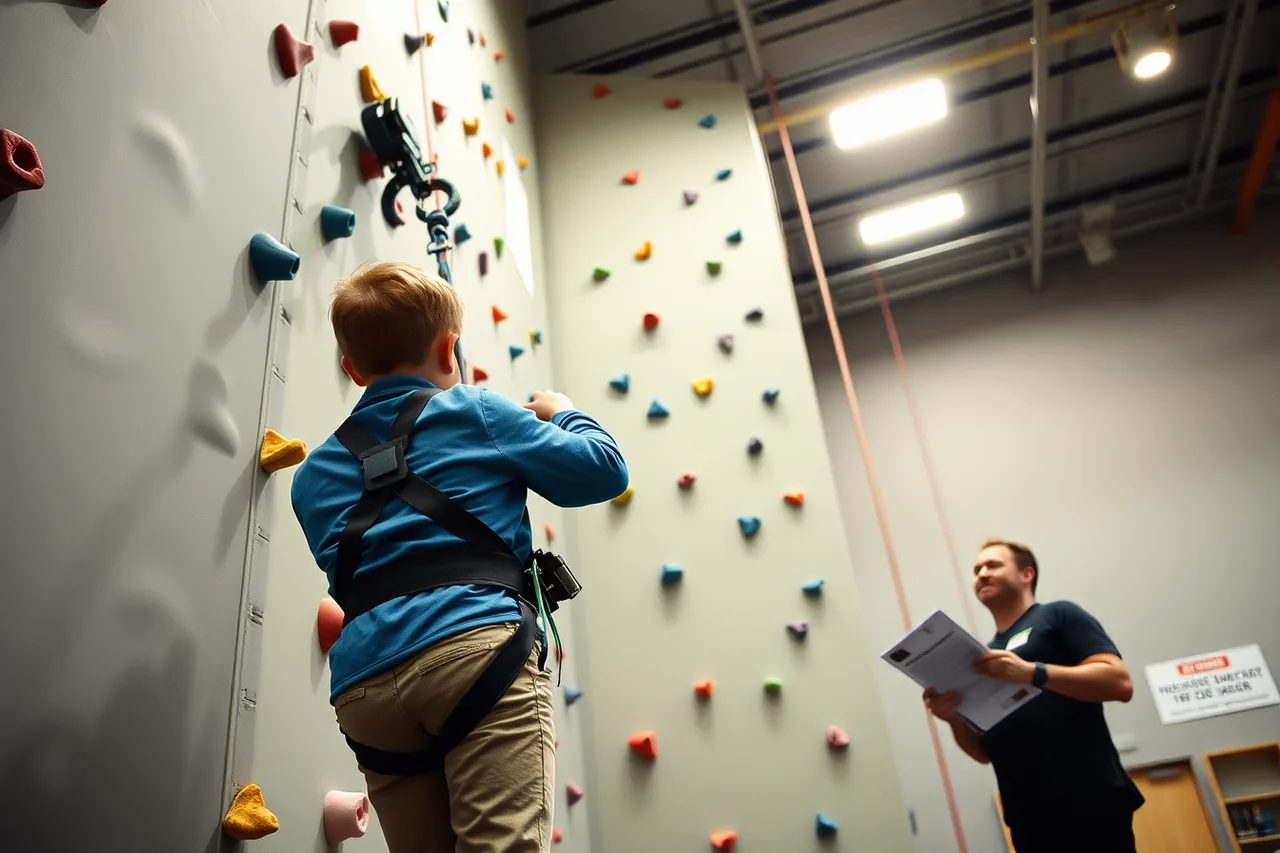
That matters to an escape room owner bolting a climbing wall, a zip line, a drop tower or a go kart track onto an existing venue. The moment a guest is restrained, lifted, spun or dropped by equipment rather than by their own muscles on flat ground, the conversation changes.
What the standard actually covers
The standard addresses the full life of a device. It sets expectations for design loads, restraint systems, clearance envelopes, control systems and maintenance schedules.
It also sets the documentation that should exist before a device carries a guest. That includes design calculations, a hazard analysis, an operator manual and a maintenance manual with defined intervals.
For a small FEC, the practical output is a device file. Every ride and every climbing element should have one, and it should be findable within a minute during an inspection.
Where state law picks it up
ASTM standards are voluntary unless a jurisdiction adopts them. Most US states with amusement ride statutes reference ASTM F2291 by name in their ride safety rules.
California, Texas, Florida, New York and Illinois all regulate amusement rides to some degree, and several require annual inspection or a permit before operation. The office that issues that permit is usually the state fire marshal or a dedicated amusement ride inspection unit.
A county building department may also have a say. A climbing structure is often a building element for permit purposes, so the certificate of occupancy can hinge on a structural review separate from the ride review.
Devices owners underestimate
Climbing structures, ropes courses and soft play units are the common blind spot. Owners often treat them as playground equipment and skip the ride documentation entirely.
Go karts, bumper cars, trampolines, inflatables and motion simulators are the others. Each has its own ASTM subcommittee work and its own inspection expectations.
If you are buying any of these, ask the vendor for the device documentation package before you sign. A supplier that cannot produce design and maintenance manuals is a supplier that will leave you holding the inspection.
When you are choosing what to install, the escape room equipment brands that publish full documentation are worth the premium.
| Device type | ASTM F2291 likely applies | Typical regulator |
|---|---|---|
| Roller coaster or drop tower | Yes | State ride inspection office |
| Go kart track | Yes | State ride inspection office |
| Climbing wall or ropes course | Yes, often with building permit | State ride office plus local building department |
| Soft play unit | Frequently | Local building department, sometimes state |
| Escape room puzzle prop | No, unless it moves a guest | Local building and fire only |
ASTM F1193 and F2974: construction quality and audit practice
ASTM F2291 tells you what a safe device looks like on paper. ASTM F1193 tells you how it should be built, and ASTM F2974 tells you how to check that the whole system still works.
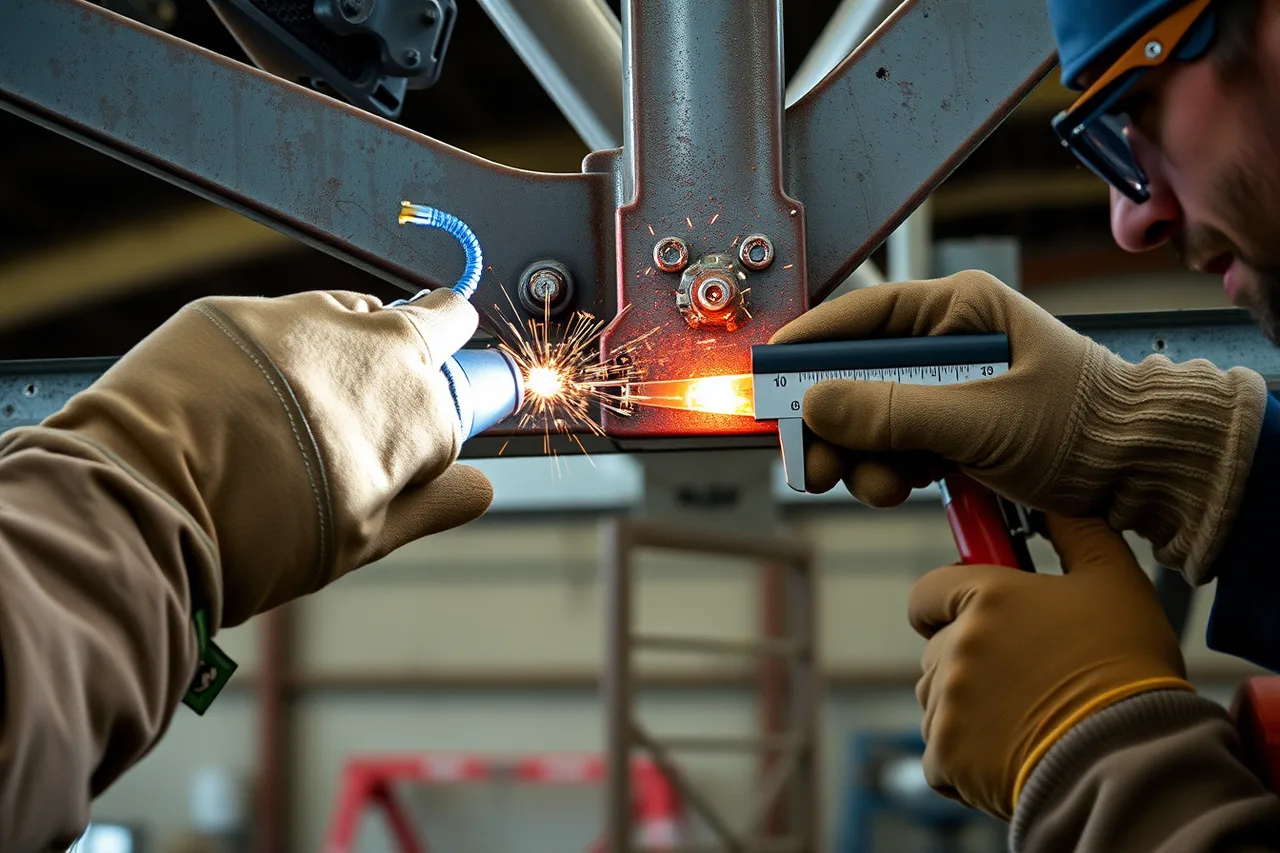
Together they form the quality chain. A device can meet the design standard and still fail because it was fabricated badly or because nobody audited the operating program after opening.
The F1193 Standard Practice for Quality, Manufacture, and Construction of Amusement Rides and Devices covers the manufacturing side. It addresses fabrication quality, welding, materials traceability, non-destructive testing and the records a manufacturer should hand over.
For an FEC owner, F1193 is mostly a purchasing tool. It is the standard you cite when you ask a vendor for weld certificates, material specs and a quality control record.
The F2974 Standard Practice for Auditing Amusement Rides and Devices covers the operator side. It describes how to audit a ride safety program, including documentation review, physical inspection and observation of operation.
Why the audit practice matters more than the audit
An audit is only as good as its method. F2974 gives you a repeatable structure so that this year's review looks like last year's and gaps are comparable.
That structure is what an insurer wants to see after an incident. It shows the operator had a defined program and checked it on a schedule, rather than reacting after the fact.
It also protects you in litigation. A documented audit trail is the difference between an operator who followed industry practice and one who did not.
Running F2974 on a small site
You do not need a large staff to apply the practice. You need a written scope, a checklist and someone with authority to close findings.
- Define the audit scopewhich devices, which documents, which operating shifts.
- Review the device file against the manufacturer's manual and the original design records.
- Inspect the physical device against its maintenance log, looking for deferred work.
- Observe operators during a live shift, checking restraint checks and dispatch sequence.
- Write findings with an owner and a due date, then re-check them at the next audit.
If you are still assembling the physical site, the equipment list should be built with these records in mind from day one.
What IAAPA guidance covers for family entertainment centers
IAAPA, the International Association of Amusement Parks and Attractions, publishes the operator-facing guidance that sits alongside the ASTM standards. Where ASTM writes engineering practice, IAAPA writes operating practice.
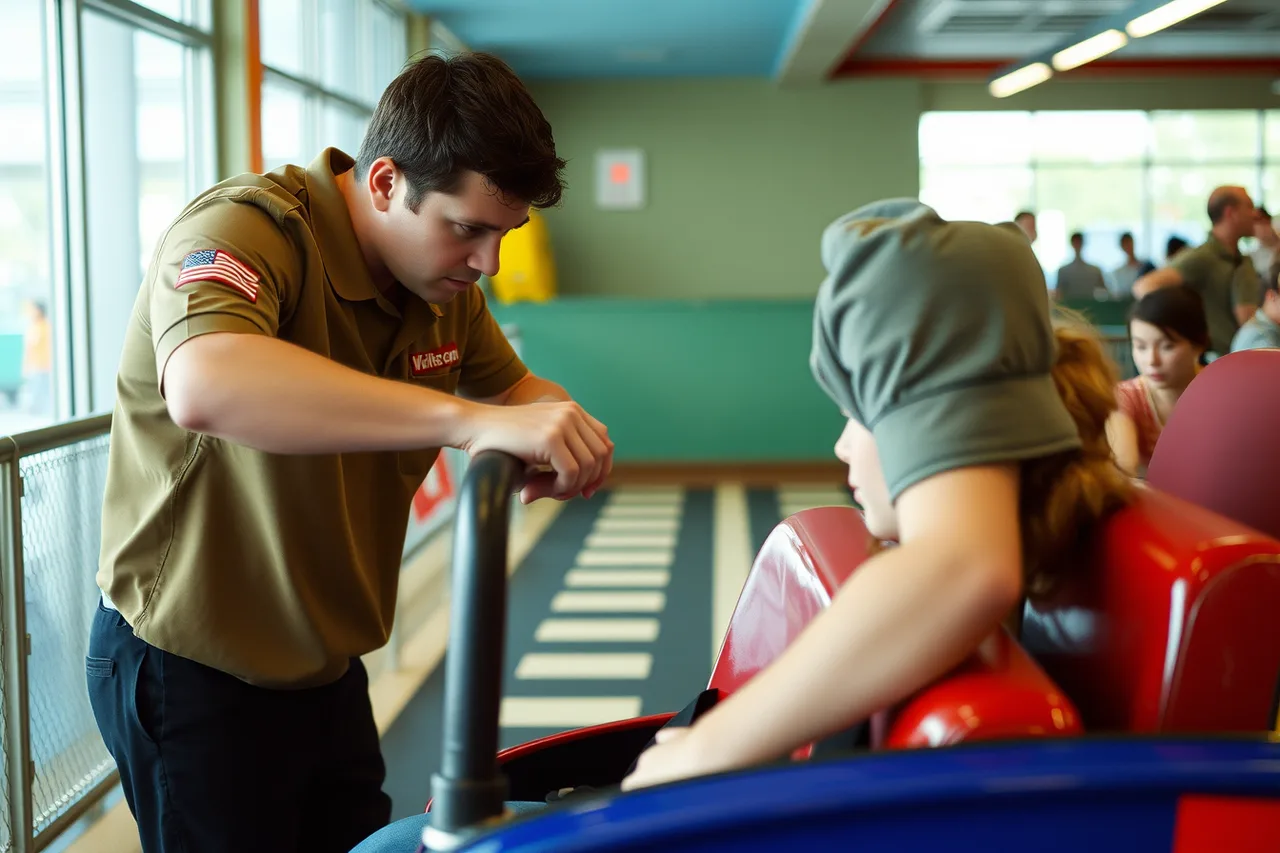
The association covers ride operations, water park safety, food safety, lost child procedures, cash handling and staff training. Its materials are written for the person running the floor, not the person designing the device.
For an FEC, IAAPA guidance is the practical layer. It tells you how to brief a ride operator, how to mark a queue line, how to handle a guest who refuses a restraint check.
Training materials and operator certification
IAAPA offers training programs and instructor-led courses aimed at ride operators and FEC staff. Many US parks use them as the base for their own in-house training.
Adopting a recognized training program does two things. It gives staff a consistent curriculum, and it gives you evidence of training if a regulator or insurer asks.
The evidence matters more than the certificate. A signed training record with a date, a trainer name and a topic list is what stands up in a review.
Benchmarks for FEC operations
IAAPA also publishes industry data on attendance, pricing and staffing. That data is useful when you are building a budget or arguing a lease.
It is not a safety standard. Treat IAAPA numbers as commercial benchmarks and ASTM standards as the technical floor.
State fire marshal rules and NFPA 101 Life Safety Code govern egress, occupancy loads and sprinkler requirements. ADA accessibility rules govern routes, restrooms and accessible play elements. IAAPA guidance helps you operate inside those constraints, but the local authority having jurisdiction has the final word.
How OSHA general duty rules reach FEC floor staff
OSHA is a workplace regulator, not a ride regulator. It does not inspect your coaster for restraint geometry. It inspects your workplace for hazards to employees.
That distinction trips up owners who assume OSHA has nothing to say about an amusement venue. It has a great deal to say about the people who work there.
OSHA laws and regulations set the framework, and the general duty clause is the part that reaches most FEC hazards. It requires employers to provide a workplace free from recognized hazards likely to cause death or serious physical harm.
What the general duty clause catches
The clause is a catch-all. It applies when no specific OSHA standard covers the hazard.
At an FEC, that could mean an unguarded platform edge, a slippery queue floor, a lifting task that injures backs, or a heat hazard in a non-climate-controlled building.
Recognized hazard is the key phrase. If the industry knows about it and you did not address it, the clause can apply.
State plans and inspections
About half the states run their own OSHA-approved programs, and some cover public sector workers that federal OSHA does not. California, New York and Illinois operate state plans with their own inspection priorities.
An FEC is usually a private employer, so federal OSHA or the state equivalent has jurisdiction. Inspections can follow a complaint, a serious incident or a programmed schedule for high-hazard industries.
Recordkeeping matters here. Establishments above the size threshold must log work-related injuries and illnesses, and the log is one of the first things an inspector asks for.
Staffing and wage rules that sit alongside
OSHA does not set wages, but the Bureau of Labor Statistics tracks recreation worker pay and employment, which is useful when you benchmark staffing costs.
Federal and state wage and hour rules, IRS employment tax obligations and workers compensation coverage all run in parallel. None of them replace the safety duty.
Seasonal staffing raises a specific risk. New hires on their first weekend are the most likely to be injured and the most likely to injure a guest.
That is why floor staff training belongs in the same binder as ride documentation. The compliance checklist for new owners is a reasonable starting point for that structure.
Hazard communication and PPE for props, fog effects and set builds
Escape room owners add fog machines, paint, adhesives, solvents and theatrical effects. All of these are chemicals in a workplace, and they bring OSHA rules with them.
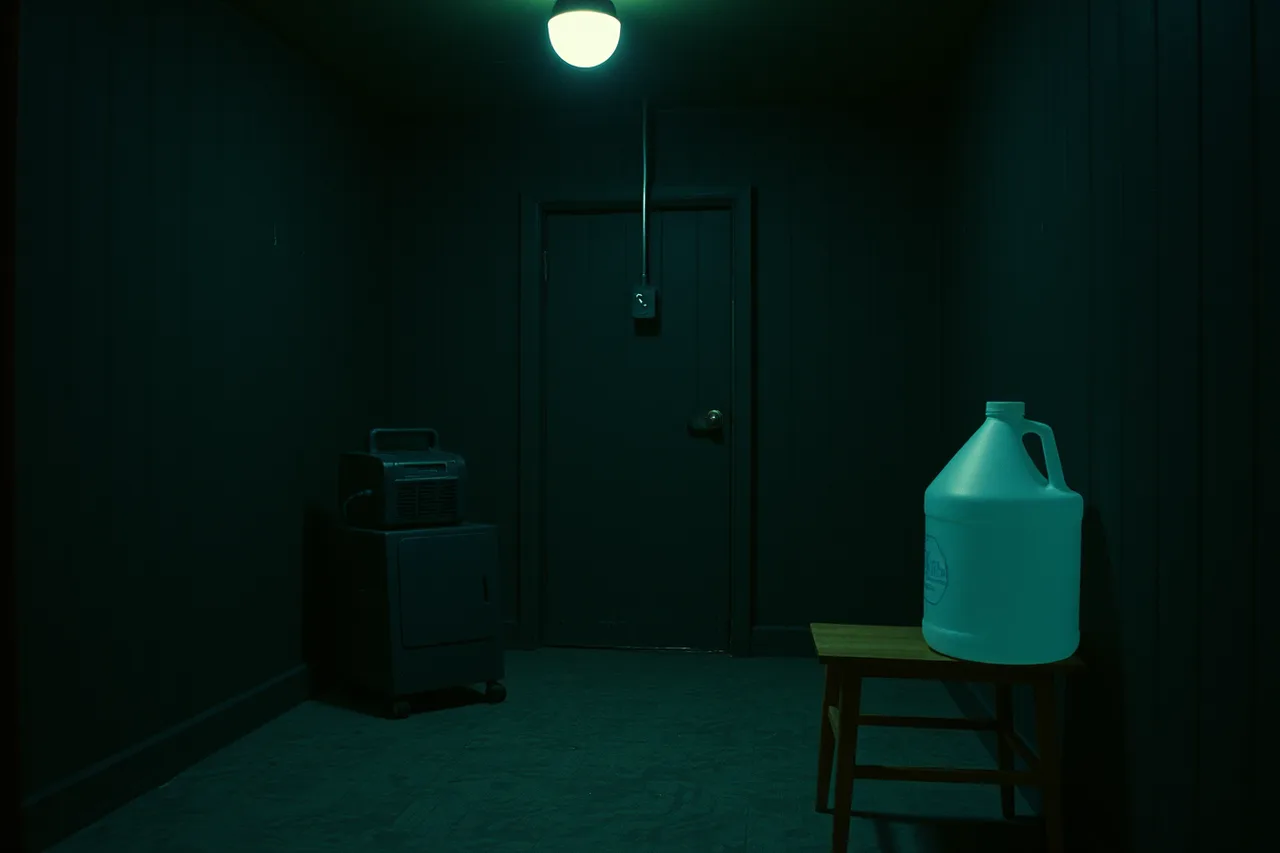
The hazard communication standard requires employers to maintain safety data sheets for hazardous chemicals in the workplace and to train employees on their hazards. It also requires labels on containers.
That means every fog fluid, paint, contact adhesive and cleaning product in your building needs an SDS on file and a training record showing staff were briefed.
Fog, haze and glycol exposure
Fog machines are the most common exposure in an escape room. Glycol-based fluids are generally low hazard, but the mist still needs ventilation and the fluid still needs an SDS.
Staff who refill machines repeatedly should know the fluid name, the exposure symptoms and what to do if a guest reacts. That is hazard communication training, not a courtesy.
Some venues run haze in enclosed rooms with no air exchange. That is a ventilation problem and a potential general duty issue.
PPE for set builds and maintenance
Personal protective equipment requirements apply when staff build sets, cut wood, mix chemicals or handle broken props. Eye protection, gloves and respiratory protection each have their own trigger conditions.
Respirators are the trap. A dust mask used against a hazardous dust can become a regulated respirator program with medical evaluation and fit testing.
The practical answer is to eliminate the exposure where you can. Buy pre-finished materials, ventilate the build area and schedule dusty work outside operating hours.
A short pre-shift checklist
- SDS binder current and accessible to all staff
- Fog and haze fluids labeled and stored correctly
- Ventilation running in any room using effects
- PPE stocked where build and maintenance work happens
- New hires briefed on chemicals before their first shift
- Spill kit present and staff know where it is
- Incident and near-miss log reviewed weekly
If you are writing the daily routine around these tasks, the SOP checklist for daily operations covers the shift rhythm.
Building a compliance binder that satisfies all three frameworks
A binder is not bureaucracy if it is built once and maintained. The goal is a single document set that answers an ASTM auditor, an IAAPA-trained manager and an OSHA inspector without a scramble.
Compliance binder: four parts
- Devicesmanual, design records, maintenance log, certificate
- Peopletraining records, authorizations, injury log
- ChemicalsSDS files, inventory, PPE assessments
- Recordsinspections, audits, permits, insurance
- One owner and one review date per part
- Front indexfind any document in under a minute
Split it into four parts: devices, people, chemicals and records. Each part has one owner and one review date.
Part one: devices
Every ride, climbing element and moving device gets a file. Include the manufacturer's manual, the design and construction records, the maintenance log and the current inspection certificate.
Reference ASTM F1193 when you request construction records from a vendor, and ASTM F2974 when you schedule the annual program audit.
Part two: people
Training records, job-specific competencies, operator authorizations and the injury log live here. Include the date, the trainer and the topics covered.
Keep it current. A training record from three years ago with no refresher is weak evidence.
Part three: chemicals
SDS files, the chemical inventory, PPE assessments and hazard communication training records. This is the part most escape room owners are missing entirely.
Review the inventory each quarter and remove products you no longer use.
Part four: records and review
Inspections, audits, corrective actions, insurance certificates, permits and the certificate of occupancy. Add a simple index at the front so anyone can find a document in under a minute.
Set a review cadence. Monthly for the shift-level items, annually for the full audit.
Where the local layer fits
State fire marshal and amusement ride inspection offices, local building and zoning departments, and ADA requirements all sit on top of the three frameworks. None of them replaces the others.
If you are still planning the build, start with kitting out a new escape room so the device files exist before the equipment arrives.
Business structure, SBA loan programs and IRS filing obligations are separate questions. They matter, but they do not reduce the safety duty.